

Governor Tim Walz, who took office in 2019, has publicly emphasized the importance of Black Lives Matter and ensuring the safety and well-being of Black Minnesotans. However, the data reveals that Black Minnesotans have been disproportionately affected by violence during this time, raising questions about the effectiveness of his administration’s policies in protecting this vulnerable community.
Rising Homicide Rates Among Black Minnesotans:
In 2018, the Black homicide rate in Minnesota was 10.9 per 100,000. By 2021, that rate had nearly tripled to 29.8 per 100,000, marking a significant increase in violence against Black individuals in the state.

Comparative Analysis of Homicide Rates Before Walz Tenure as Governor:
During the decade prior to Walz’s governorship (2009-2018), the Black homicide victimization rate averaged 12.8 per 100,000 annually. In contrast, the rate during Walz’s five years in office (2019-2023) averaged 23.4 per 100,000, representing an 83% increase.
National Context:
Nationally, the Black homicide victimization rate increased by 45% from 2009-2018 to 2019-2023. However, Minnesota’s 83% increase in Black homicide rates under Walz’s leadership significantly outpaced the national trend.
Impact on White Minnesotans:
The homicide victimization rate for White Minnesotans also rose by 22% under Walz’s leadership compared to the previous decade, indicating a broader trend of increasing violence.
The sharp rise in homicides among Black Minnesotans during Governor Tim Walz’s tenure cannot be fully understood without considering the impact of the George Floyd riots. The unrest that followed George Floyd’s death in May 2020 not only sparked a national conversation on race and policing but also contributed to significant social upheaval, particularly in Minnesota.
The riots led to widespread destruction, destabilizing communities and creating an environment where violent crime surged. The homicide rate among Black Minnesotans, which had already been climbing, saw a drastic spike in the aftermath of the riots.
This increase reflects not only a larger national trend but also the localized impact of the riots, which exacerbated existing tensions and contributed to the escalating violence. The period following the George Floyd riots became a critical turning point, further amplifying the rise in homicides and highlighting the challenges of maintaining public safety amid social unrest.
The data underlying this analysis was compiled from the National Center for Health Statistics Mortality Data available on CDC WONDER, a comprehensive database that stands for the Wide-ranging Online Data for Epidemiologic Research. CDC WONDER provides access to a wealth of public health data, allowing for detailed tracking and analysis of mortality rates across different demographics.
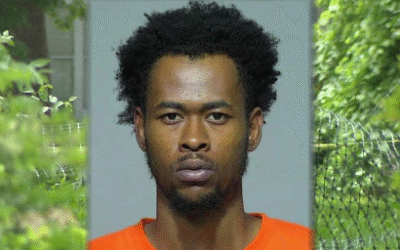
Milwaukee Police Slayer Had History of Violence
Tremaine Jones was not prosecuted in four previous domestic violence incidents or other run-ins with law enforcement.

Milwaukee State rep Warns Time is Running out on “street takeover” Law
The Assembly approved the plan back in March, but it has sat in the Senate ever since.
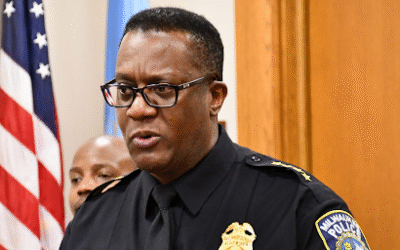
District 7 Understaffing Is Dangerous Says Milwaukee Police Association
The busiest police district in the city faces a critical staffing shortage according to the released June 10 lineup.

Oconomowoc Rotary Reverses Political Ban in July 4 Parade After Community Pushback
Club reverses course after backlash over excluding elected officials from longstanding Independence Day tradition
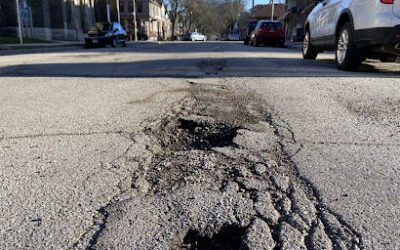
Milwaukee Faces $821 Million Road Repair Crisis, DPW Report Warns
New DPW report shows one-third of local streets are in ‘poor’ condition as aldermen and lawmakers push for sustainable infrastructure funding

Trump’s Blue-Collar Wage Boom Credited to Reduced Immigration and Revived Manufacturing
Real wages are rising across the U.S. as inflation cools and labor markets tighten — with states like Wisconsin seeing notable gains in manufacturing and blue-collar income.