

Governor Tim Walz, who took office in 2019, has publicly emphasized the importance of Black Lives Matter and ensuring the safety and well-being of Black Minnesotans. However, the data reveals that Black Minnesotans have been disproportionately affected by violence during this time, raising questions about the effectiveness of his administration’s policies in protecting this vulnerable community.
Rising Homicide Rates Among Black Minnesotans:
In 2018, the Black homicide rate in Minnesota was 10.9 per 100,000. By 2021, that rate had nearly tripled to 29.8 per 100,000, marking a significant increase in violence against Black individuals in the state.

Comparative Analysis of Homicide Rates Before Walz Tenure as Governor:
During the decade prior to Walz’s governorship (2009-2018), the Black homicide victimization rate averaged 12.8 per 100,000 annually. In contrast, the rate during Walz’s five years in office (2019-2023) averaged 23.4 per 100,000, representing an 83% increase.
National Context:
Nationally, the Black homicide victimization rate increased by 45% from 2009-2018 to 2019-2023. However, Minnesota’s 83% increase in Black homicide rates under Walz’s leadership significantly outpaced the national trend.
Impact on White Minnesotans:
The homicide victimization rate for White Minnesotans also rose by 22% under Walz’s leadership compared to the previous decade, indicating a broader trend of increasing violence.
The sharp rise in homicides among Black Minnesotans during Governor Tim Walz’s tenure cannot be fully understood without considering the impact of the George Floyd riots. The unrest that followed George Floyd’s death in May 2020 not only sparked a national conversation on race and policing but also contributed to significant social upheaval, particularly in Minnesota.
The riots led to widespread destruction, destabilizing communities and creating an environment where violent crime surged. The homicide rate among Black Minnesotans, which had already been climbing, saw a drastic spike in the aftermath of the riots.
This increase reflects not only a larger national trend but also the localized impact of the riots, which exacerbated existing tensions and contributed to the escalating violence. The period following the George Floyd riots became a critical turning point, further amplifying the rise in homicides and highlighting the challenges of maintaining public safety amid social unrest.
The data underlying this analysis was compiled from the National Center for Health Statistics Mortality Data available on CDC WONDER, a comprehensive database that stands for the Wide-ranging Online Data for Epidemiologic Research. CDC WONDER provides access to a wealth of public health data, allowing for detailed tracking and analysis of mortality rates across different demographics.

Shifting Trends in School Enrollment: Parents Demand More Choices
The steady growth of choice programs reflects parents voting with their feet for educational freedom and markets.
Federal Court Strikes Down Biden’s Parole in Place Program for Illegal Immigrant Spouses
Court ruling highlights Biden’s administrative overreach and a turning point for immigration law enforcement.
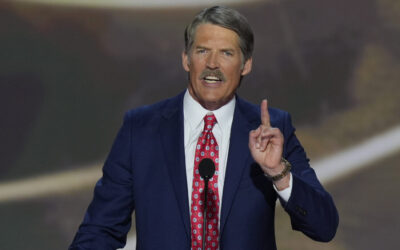
Eric Hovde’s Last Stand: Why He Wants to Be Wisconsin’s U.S. Senator
Hovde emphasizes that rising inflation and an insecure border represent a government failing the American people.
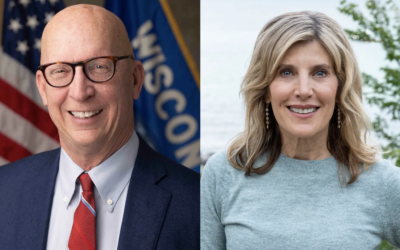
Senator Duey Stroebel Faces Democrat Jodi Habush Sinykin in Closely Watched State Senate Race
In Wisconsin’s newly redrawn 8th Senate District, the upcoming race pits incumbent Duey Stroebel against environmental attorney Jodi Habush Sinykin.

Ballot Boxes Targeted as Election Security Concerns Rise
Incidents in Portland, Vancouver, and Phoenix highlight vulnerabilities in ballot collection; The Heritage Foundation urges stronger safeguards
U.S. Supreme Court Upholds Virginia’s Non-Citizens Voter Purge as WI Non-Citizen Voting Amendment Faces Voters
Days before Election Day, the Supreme Court has allowed Virginia to remove over 1,600 individuals from its voter rolls, while Wisconsin voters consider a constitutional amendment regarding non-citizen voting.