
The highly technical bill grants Wisconsin-based utility companies the right to construct, own, and maintain certain transmission facilities without a competitive bidding process. While the bill is highly technical in nature, opponents want Wisconsinites to know of its significant consequences the bill can have on how much you pay on your energy bill. Supporters argue it ensures energy reliability and cost control, opponents claim it stifles competition and could lead to higher costs for consumers.
What is the ROFR Bill?
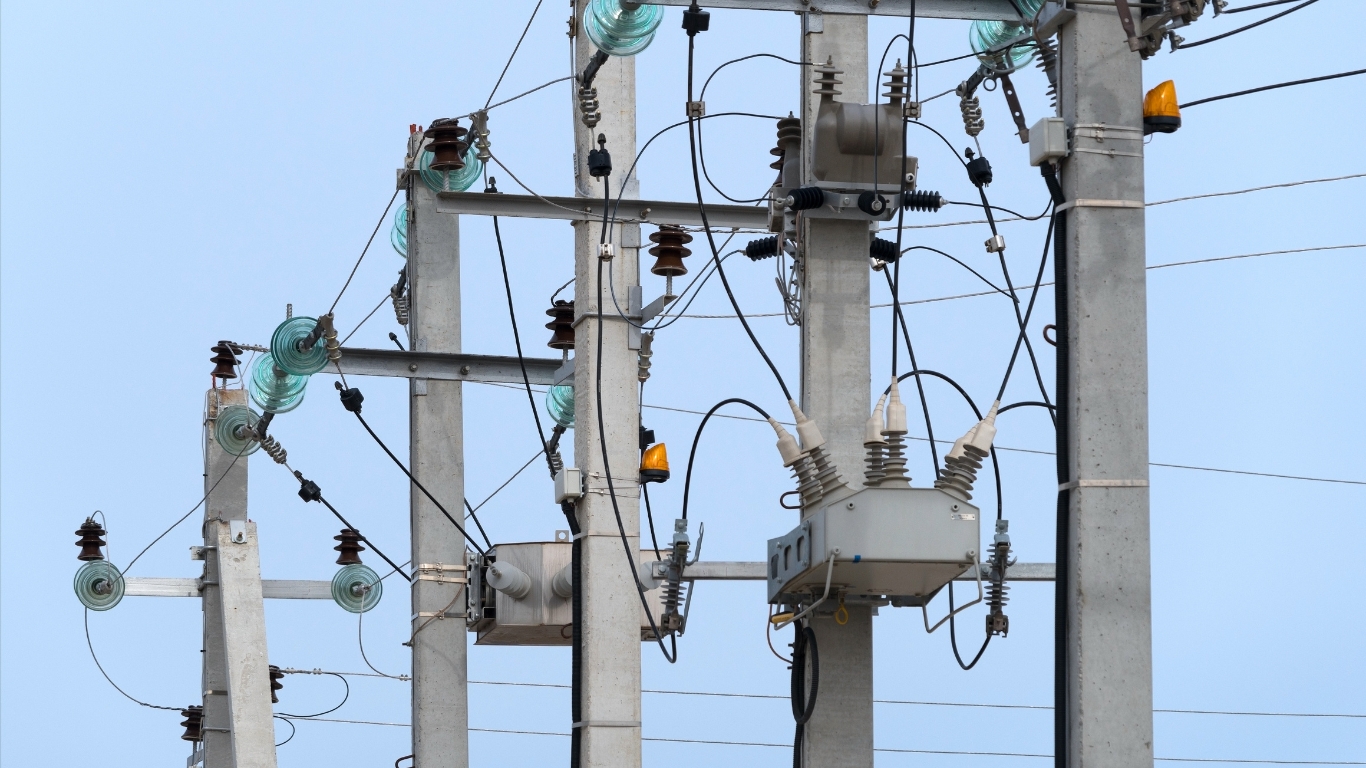
The Right of First Refusal (ROFR) allows incumbent utility companies to bypass competitive bidding when constructing new transmission lines. Instead, if a regional project is approved by the Midcontinent Independent System Operator (MISO), the local Wisconsin utility that owns the connecting infrastructure would automatically receive the project. This means that outside companies would be barred from competing for contracts, effectively eliminating the bidding process.
Arguments in Favor of ROFR
Supporters, including Wisconsin’s major utility companies, argue that the bill ensures the state’s power grid remains reliable and would save the state $1 billion. They contend that experienced, in-state transmission providers are best equipped to manage Wisconsin’s energy infrastructure and avoid costly delays.
Proponents also suggest that eliminating competitive bidding could prevent price spikes caused by out-of-state companies underbidding and then facing cost overruns. They argue that keeping projects in the hands of local utility companies will lead to stable energy rates and prevent disruptions to critical services like hospitals and data centers.
Opposition and Legal Concerns
Opponents of ROFR argue that introducing competition into the bidding process would help reduce energy costs rather than increase them. They point to the Wisconsin Public Service Commission’s continued authority over transmission line projects and note that MISO and the Federal Energy Regulatory Commission (FERC) still provide oversight.
Critics also raise legal concerns, noting that a similar ROFR law in Indiana was struck down by a U.S. District Court. The court ruled that the law violated the U.S. Constitution by discriminating against out-of-state businesses. This has led some opponents to suggest that Wisconsin’s version of ROFR may face similar constitutional challenges.
Monopoly Concerns and Financial Interests
The bill’s opponents also argue that it grants a monopoly to Wisconsin’s largest energy providers, who would no longer have to compete on cost, efficiency, or timeframes. Conservative groups like the MacIver Institute warn that this could lead to higher energy costs for consumers.
Further fueling opposition are concerns over executive pay. Wisconsin Right Now highlighted that executives of major energy companies seeking ROFR earn multimillion-dollar salaries. In 2023, WEC Energy Group CEO Scott J. Lauber earned $9.5 million, while Alliant Energy’s then-CEO John O. Larsen took home $9.7 million. Critics argue that granting a monopoly to these companies could result in greater profits for executives at the expense of Wisconsin ratepayers.
The Political Divide
ROFR has sparked division within the Republican Party. Senate Bill 28, the Senate version of the bill, was introduced by Republican Senate Majority Leader Devin LeMahieu and co-sponsored by Rep. Kevin Peterson. However, conservative groups like the Wisconsin Institute for Law and Liberty and Americans for Prosperity Wisconsin have come out against the legislation, calling it unconstitutional and anti-competitive.
Prominent conservative talk radio hosts, including Mark Belling, have criticized the bill, and a growing number of Republican lawmakers are pushing back against what they see as a move that benefits unions and entrenched energy companies at the expense of consumers. Despite this, lobbyists have flooded the Capitol, pressuring lawmakers from both parties to support the measure.
Conclusion
Assembly Bill 25 has ignited a heated debate over energy policy, competition, and consumer costs in Wisconsin. Supporters believe it will ensure a stable, reliable power grid without costly delays, while opponents argue that it will stifle competition and raise energy prices. With legal challenges looming and bipartisan opposition growing, the fate of ROFR remains uncertain.
The public hearing in the Committee on Energy and Utilities revealed deep divisions, with more than 192 pages of testimony submitted. As the debate continues, Wisconsin lawmakers must weigh the long-term consequences of giving local utilities the exclusive right to build and operate key transmission projects—whether that results in a stronger, more efficient energy grid or an entrenched monopoly that drives up costs.