
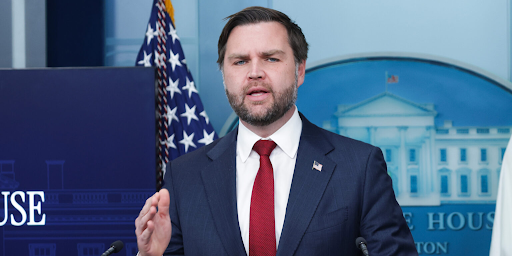
In a recent social media post, Vice President JD Vance criticized current labor laws by highlighting the wage disparity between employers paying $18–$20 per hour and those hiring undocumented workers at reported rates as low as $6.50 per hour.
VP Vance’s post highlights an example of challenges to businesses, particularly small ones, that comply with staggering minimum wage laws. This post demonstrates two tensions in the U.S. labor market: the struggle of small businesses to pay for rising labor costs and the complex economic impact of illegal immigrant labor.
For many small businesses across the United States rising labor costs such as the minimum wage increases have been a persistent concern. The minimum wage hikes can force small firms to raise prices, reduce hiring, cut hours, or even eliminate jobs as owners balance tighter margins with increased payroll expenses. An analysis from the American Action Forum said that a federal minimum wage increase to $15 could lead to reduced business revenue and employment, particularly in sectors like leisure and hospitality that depend on low-wage work.
The role of undocumented immigrant labor adds more issues to the debate. Immigrant workers are disproportionately represented in low-wage, labor-intensive jobs such as agriculture, construction, and hospitality. According to research by the National Bureau of Economic Research, undocumented workers historically have lower average wages up to about 40% compared to legal labor. (RELATED: Anti-ICE ‘Watch’ Group Linked to Woman Killed During Federal Operation)
The high volume of undocumented workers in the United States targets major agricultural hubs and low-skill work. Employers that typically can not pay the high minimum wage requirements because of already thin margins. Bottom line: The minimum wage is too high to hire domestic workers, leading employers to hire droves of undocumented workers at a fraction of the cost. (RELATED: A New Food Pyramid Signals Major Reset in U.S. Nutrition Policy)