
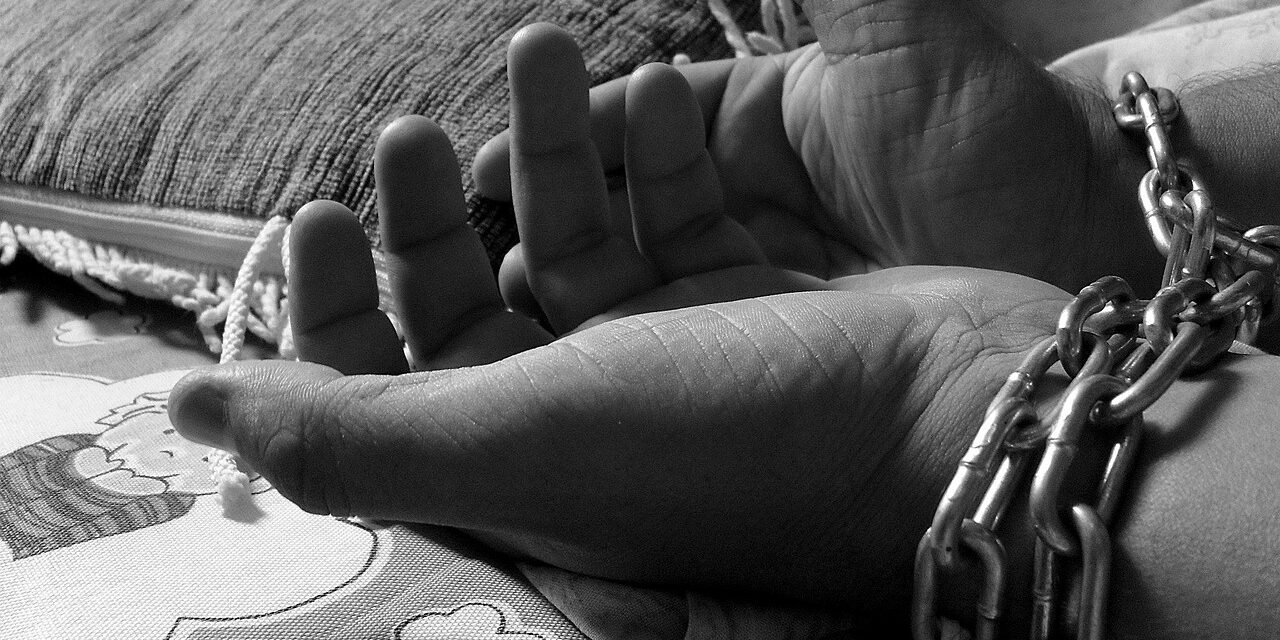
Wisconsin lawmakers are reviving a bipartisan package of legislation aimed at strengthening the state’s response to human trafficking, after the state earned an “F” grade and ranked third-lowest nationally for its trafficking laws.
The proposals stem from recommendations made by a legislative task force and come as trafficking cases have been reported in all 72 Wisconsin counties. An analysis by Shared Hope International found Wisconsin lagging behind most states in legal protections and enforcement tools designed to combat sex trafficking and support victims, as reported by the Milwaukee Journal Sentinel.
The effort is being led by Rep. Jerry O’Connor, R–Fond du Lac, who chaired the 2023 Speaker’s Task Force on Human Trafficking. O’Connor said testimony from law enforcement, prosecutors, and victim advocates revealed “how difficult it is to combat sex trafficking in Wisconsin.”
Rep. Jill Billings, D–La Crosse, said while some recommendations have already become law, Wisconsin still trails most of the country. “Our work with the task force was an important bipartisan effort to end the blight of human trafficking in Wisconsin,” Billings said. “By reintroducing these bills, we can help protect survivors and make Wisconsin safer for everyone.”
The legislation would expand prevention, enforcement, and victim support across multiple fronts. Key provisions include requiring human trafficking and sextortion awareness curricula for grades 6–12, mandating training for licensed school staff to identify warning signs, and establishing a $2.5 million grant program for nonprofit and faith-based victim service organizations.
Other measures would broaden survivors’ ability to pursue civil action, add the crime of maintaining a place of prostitution to the list of offenses requiring sex offender registration, and require more public locations to display human trafficking hotline information.
Courts would also be directed to provide additional protections for child victims and witnesses, including sealing identifying information and offering courtroom supports to protect their safety and well-being. (RELATED: Three Illegal Immigrants Face Fifteen Years In Prison Over Alleged Burglary Spree)
Several anti-trafficking laws have already been enacted in recent months. Those measures created a Human Trafficking Council within the state Department of Justice, allowed child victims to testify privately, expanded law enforcement access to cellphone location data in emergencies, criminalized possession of child sex dolls, and broadened the definition of child pornography to include AI-generated images.
Earlier this month, a bill was signed extending penalties, imposing mandatory minimum sentences, and lengthening the statute of limitations for trafficking crimes.
“Republicans and Democrats remain committed to working together to eliminate human trafficking in Wisconsin,” O’Connor said. (RELATED: Milwaukee Leaders Push Back on Sheriff Office’s Plan for Facial Recognition)