

Governor Tim Walz, who took office in 2019, has publicly emphasized the importance of Black Lives Matter and ensuring the safety and well-being of Black Minnesotans. However, the data reveals that Black Minnesotans have been disproportionately affected by violence during this time, raising questions about the effectiveness of his administration’s policies in protecting this vulnerable community.
Rising Homicide Rates Among Black Minnesotans:
In 2018, the Black homicide rate in Minnesota was 10.9 per 100,000. By 2021, that rate had nearly tripled to 29.8 per 100,000, marking a significant increase in violence against Black individuals in the state.

Comparative Analysis of Homicide Rates Before Walz Tenure as Governor:
During the decade prior to Walz’s governorship (2009-2018), the Black homicide victimization rate averaged 12.8 per 100,000 annually. In contrast, the rate during Walz’s five years in office (2019-2023) averaged 23.4 per 100,000, representing an 83% increase.
National Context:
Nationally, the Black homicide victimization rate increased by 45% from 2009-2018 to 2019-2023. However, Minnesota’s 83% increase in Black homicide rates under Walz’s leadership significantly outpaced the national trend.
Impact on White Minnesotans:
The homicide victimization rate for White Minnesotans also rose by 22% under Walz’s leadership compared to the previous decade, indicating a broader trend of increasing violence.
The sharp rise in homicides among Black Minnesotans during Governor Tim Walz’s tenure cannot be fully understood without considering the impact of the George Floyd riots. The unrest that followed George Floyd’s death in May 2020 not only sparked a national conversation on race and policing but also contributed to significant social upheaval, particularly in Minnesota.
The riots led to widespread destruction, destabilizing communities and creating an environment where violent crime surged. The homicide rate among Black Minnesotans, which had already been climbing, saw a drastic spike in the aftermath of the riots.
This increase reflects not only a larger national trend but also the localized impact of the riots, which exacerbated existing tensions and contributed to the escalating violence. The period following the George Floyd riots became a critical turning point, further amplifying the rise in homicides and highlighting the challenges of maintaining public safety amid social unrest.
The data underlying this analysis was compiled from the National Center for Health Statistics Mortality Data available on CDC WONDER, a comprehensive database that stands for the Wide-ranging Online Data for Epidemiologic Research. CDC WONDER provides access to a wealth of public health data, allowing for detailed tracking and analysis of mortality rates across different demographics.

Car Break-Ins Surge on Milwaukee’s East Side, Residents Demand Action
Residents express growing frustration over a lack of police presence as car break-ins reach unprecedented levels in Milwaukee’s east side neighborhoods.

Bay View Residents Endure Unbearable Odor After Rainstorms
Mysterious sulfur-like smell forces families to seek refuge as city officials investigate the cause

Milwaukee to Make History with the World’s Tallest Mass Timber Building
The $700 Million Redevelopment Project Aims to Transform Downtown Milwaukee

‘Pizza to the Polls’ Beach Parties Spark Debate Over Voter Influence Tactics
Group’s Pizza Giveaway Sparks Controversy in Milwaukee

Families Are Fleeing America’s Big Cities in Exodus
Urban Exodus: How High Costs and Policy Failures Are Driving Families Out of America’s Largest Cities.
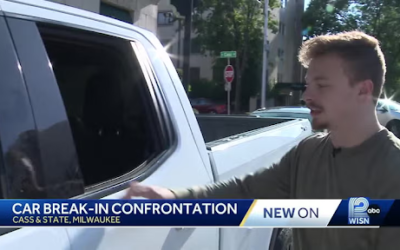
Frustration Erupts in Milwaukee: Resident Confronts Vandals at Gunpoint
After Multiple Car Vandalizations, Milwaukee resident Takes Action and Faces Insurance Woes